
1 hr 30 min
North Shore Oahu Shark Cage Diving Adventure
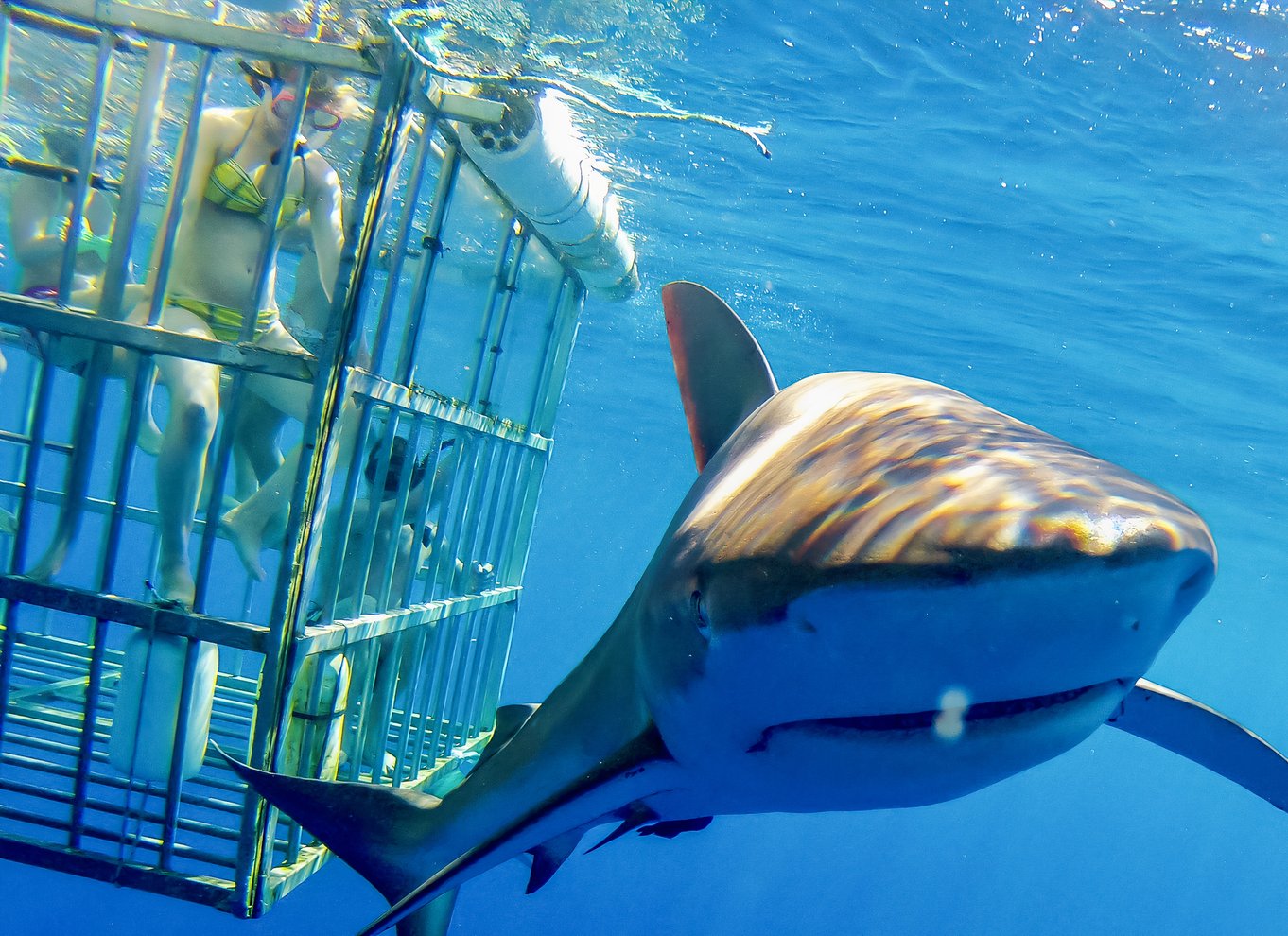
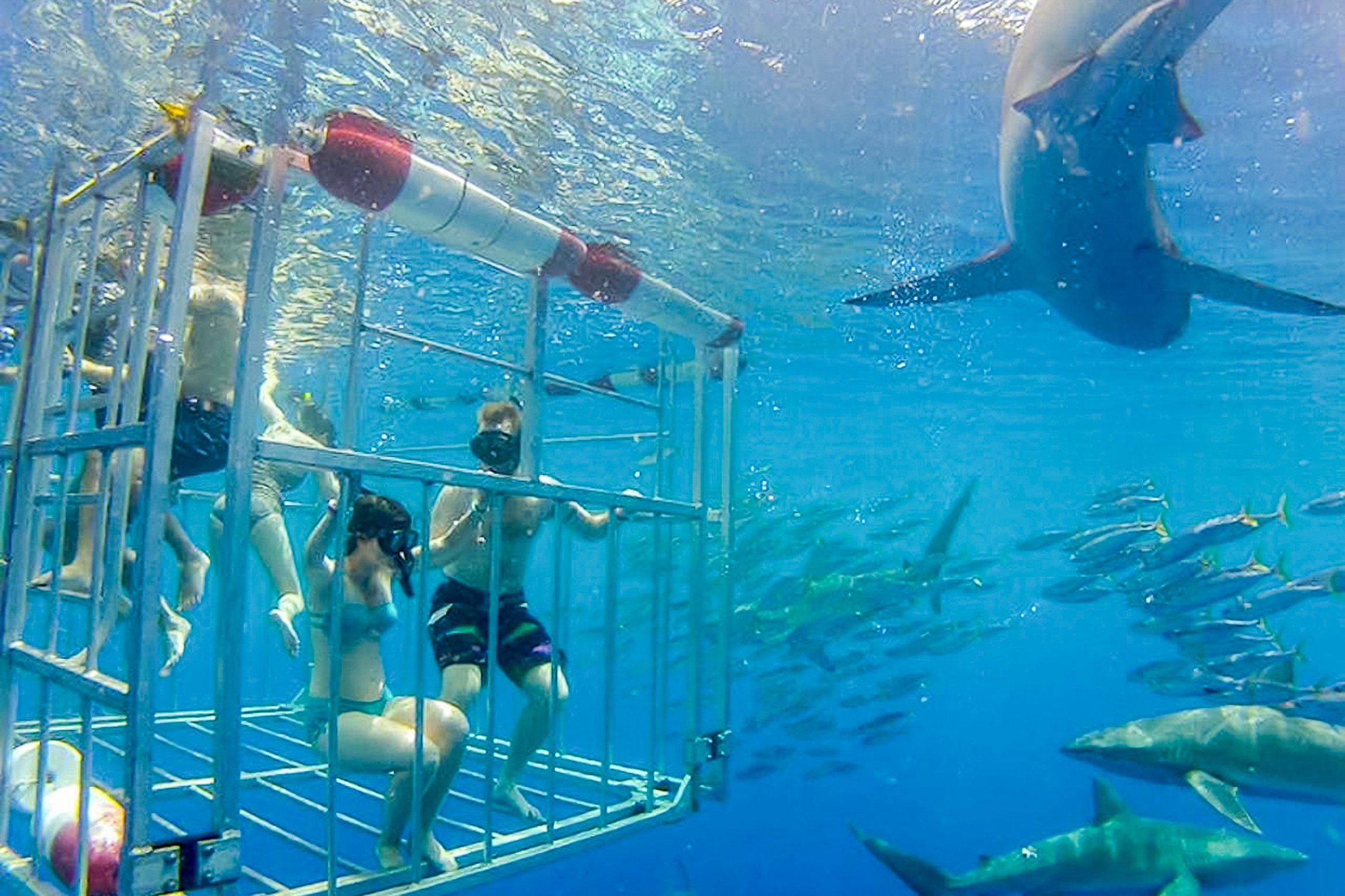
Cruise Oahu's North Shore and drop into a cage just inches from wild sharks in the open ocean.
Reserve
No steel between you and the blue, only three miles of ocean.
Hand-picked by our editors — only the best 5 experiences from 40 reviewed.
Verified partners for every tour, free cancellation where available, and instant confirmation on every booking.
1 hr 30 min
Cruise Oahu's North Shore and drop into a cage just inches from wild sharks in the open ocean.
Reserve
2 hr
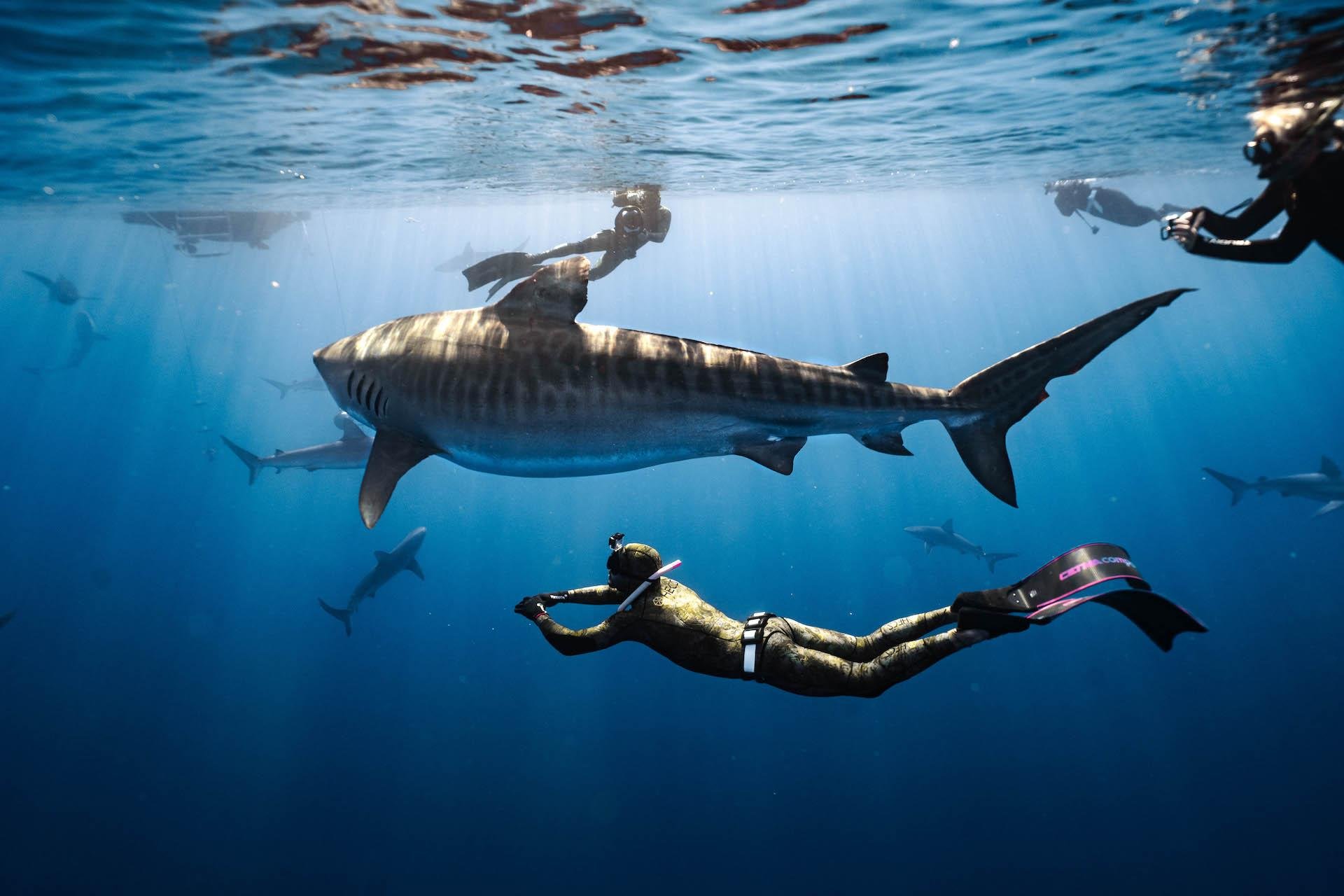
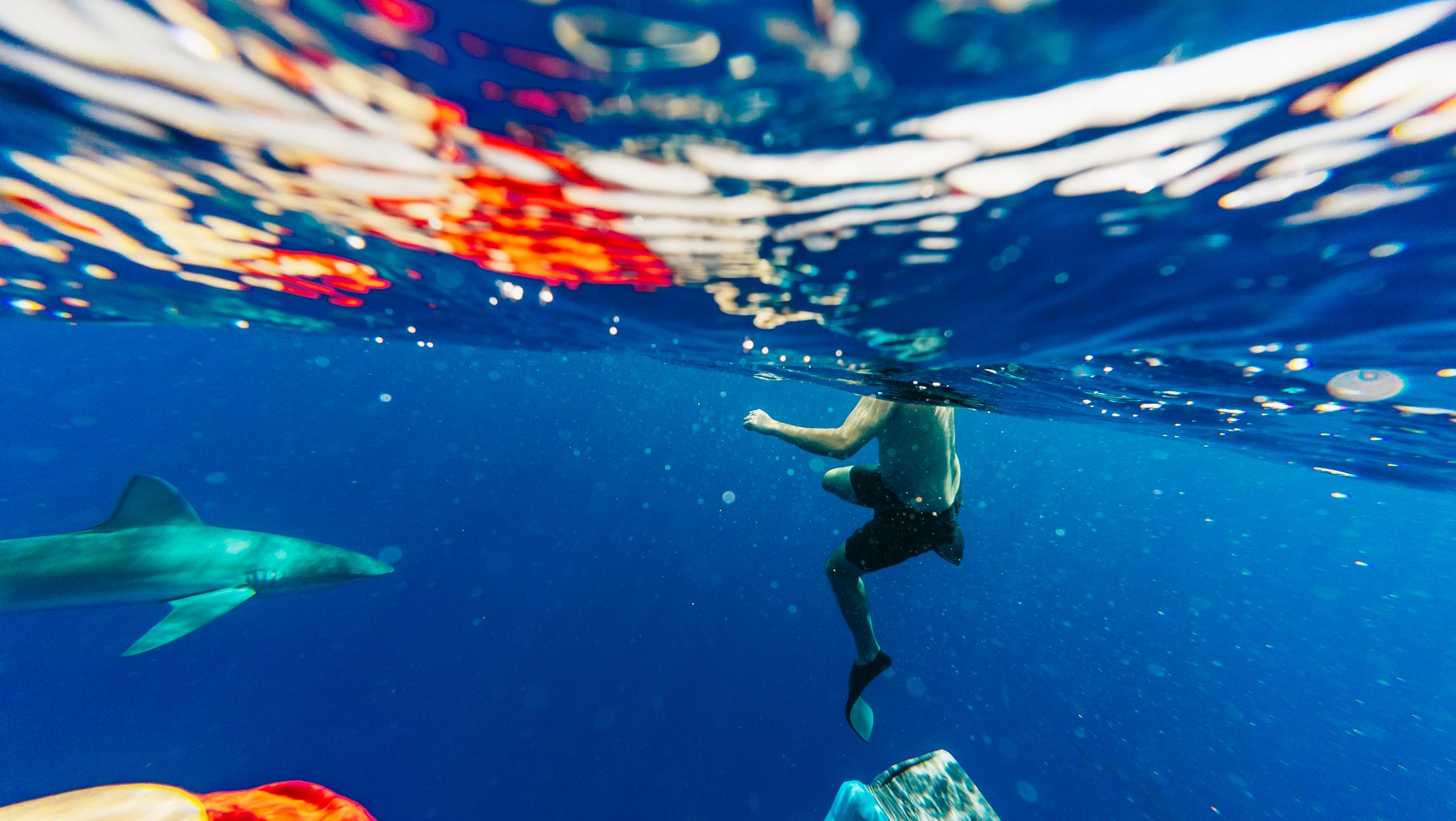
Snorkel freely with wild sharks off Oahu's North Shore in a small-group, cageless dive.
Reserve
2 hr
Snorkel freely with wild sharks off Oahu's North Shore, guided by an experienced safety diver.
ReservePrices from verified partners. Availability updates in real time at checkout. Free cancellation policies apply where shown.
The landmarks, rooms, and views travelers on this tour remember — all visible on a single visit.
The operator says Galapagos sharks are the most common species seen on these dives. They often appear in groups, and the site describes them as schooling animals around volcanic island waters, which is why the North Shore location matters.
For visitors looking to swim with sharks without a cage, the cage-free Oahu shark dive is the more immersive choice, while the classic cage dive is better if you want a barrier and a calmer, less exposed feel. Most first-timers who want the strongest open-water sensation prefer the cage-free tour; those who want a more protected setup usually choose North Shore Shark Adventures.
| Feature | Top pick Cage-free shark dive | North Shore Shark Adventures |
|---|---|---|
How you get in the water |
Free-dive snorkel from boat | Enter metal cage from boat |
Physical barrier |
No cage | Steel shark cage |
How wet you get |
Fully submerged, snorkel level | Mostly dry inside cage |
Typical group feel |
Private tour, max 6 | Shared tour, larger groups |
Who it suits |
Confident swimmers, thrill seekers | Cautious first-timers, cage preferrers |
Overall comfort |
More exposed, more immersive | More sheltered, more reassuring |
| See tickets → |
Verdict: Choose the cage-free experience for the closest open-water shark encounter, and choose the cage dive if a physical barrier and a more controlled feel matter more than immersion.
Choose your ticket, select your date, and reserve in under two minutes. Secure checkout handled by our verified partner.
Instant confirmation by email, with a mobile voucher you can save offline. No printing, no queuing at a collection desk.
Arrive at the entrance, show your voucher on your phone, and walk in. Most tickets include priority or skip-the-line access.
Best time to go, insider tips, nearby landmarks, and the cancellation fine print — flip through to skim what matters to you.
How crowds, weather, and events shift across the year.
March through May usually balances lighter rain and workable sea conditions on the North Shore. Morning departures are still the best fit, and 06:00–08:00 aligns with calmer water before trade winds strengthen.
June through August can bring steadier surf and busier roads on the North Shore. Early departures help reduce heat, glare, and chop during the boat ride and snorkel window.
September through November often brings warm water and a strong chance of good visibility. Late-summer tiger shark sightings are mentioned by the operator, but encounters are never guaranteed.
December through February can deliver bigger North Shore swell and more weather-sensitive departures. The official site notes winter months are also when humpback whales are sometimes spotted on the way out.
Small details that turn a good visit into a great one.
The official site asks guests to arrive 20–30 minutes before departure. That gives you time to check in, use the restroom, and board without rushing the crew.
The boat provides a mask, fins, and snorkel, so you do not need to pack a full dive kit. A small bag is better than a bulky one because the boat has limited space.
The operator says the shark site is about 15–20 minutes from Hale'iwa Harbor. That means the experience is compact, so do not over-schedule another tight appointment right after it.
If you are sensitive to motion, the official FAQ suggests taking a Dramamine-type medicine at least 1 hour before boarding. On a North Shore morning, that is easier to manage than waiting until the boat is moving.
The site notes humpback whales are often seen in winter, while tiger shark sightings can increase in late summer to early fall. Those patterns can shape expectations, but the dive remains a wild encounter.
The operator markets this as a snorkeling free-dive with no cage, not a scuba-heavy program. That makes it a better fit for confident snorkelers who want a small-group ocean outing.
Dry storage exists, but the boat is built for only six people, so the fewer loose items you carry, the smoother boarding will be. A towel, water, and camera are the practical essentials.
Non-bookable sights within a short walk — free to visit, easy to pair.
The departure harbor anchors the experience and is the most relevant landmark in the area. It is the practical starting point for North Shore shark tours.
A local oceanfront park with surf views and easy shoreline access. It is useful for a post-tour walk if you want a dry land pause after the boat ride.
The historic surf town core has galleries, shops, and food stops. It is the easiest place to pair with a morning shark tour without adding a long drive.
This small bridge is one of Hale'iwa’s best-known town markers. It is a simple navigation point if you are meeting a taxi or walking from central Hale'iwa.
The shoreline near Hale'iwa is part of the famous North Shore surf belt. Even from the harbor area, the ocean conditions help explain why morning departures matter.
Flexible, no hidden fees.
Weather permitting, and the operator states departures run every day of the year when conditions allow. No public cancellation refund window was found on the official site, so treat the booking terms shown at checkout as governing the 150 USD per person fee.
Hand-picked options within walking distance — pick a district for vibe, or a specific hotel for convenience.
The most practical base for an early shark tour, with small inns, vacation rentals, and food options nearby. Staying here minimizes pre-dawn driving and parking stress.
A quieter North Shore base with local lodging options and a short drive to the harbor. It suits travelers who want more space than central Hale'iwa.
Useful if you are combining the shark dive with the far North Shore or food stops. It is farther away but still workable for a day-trip pattern.
An inland option with broader accommodation inventory than the coast. It is less convenient for dawn departures but can work for travelers with a car.
The shark boats of Haleʻiwa did not choose their location by accident. Three miles off the North Shore, crab fishermen had worked the same grounds for decades, and Galapagos and sandbar sharks learned to follow their traps toward the surface. Commercial viewing trips arrived later, borrowing coordinates the animals had already claimed. Oahu shark dive cage free tours are the newest chapter of that inheritance, and the fishing fleet still shares the water. In Hawaiian tradition, manō is not simply a predator. Certain families keep manō as ʻaumakua, ancestral guardians recognised by particular markings and honoured rather than hunted. State law now runs parallel to that older ethic. Feeding sharks in Hawaii's marine waters has been prohibited since 2002, and Act 51, effective 1 January 2022, made it illegal to knowingly capture or kill a shark in state waters. The boats therefore work beyond the three-mile line, in federal water, which is why the harbour and the dive site sit so far apart. The animals are specific. Carcharhinus galapagensis, the Galapagos shark, dominates the site and can approach 3.7 metres; sandbar sharks, blunter and more cautious, tend to hold deeper in the water column. Scalloped hammerheads pass through in summer. The seafloor lies more than 150 metres below, so the encounter unfolds in open blue water with no reef, no ledge and no bottom in view. That is the whole premise of cageless shark diving off Haleʻiwa: the discipline is behavioural rather than structural. Surface temperatures near 27°C through August keep the animals unhurried and the light long. The clarity has scientific value. Researchers at the Hawaiʻi Institute of Marine Biology on Coconut Island have tagged and tracked Hawaiian sharks for years, and the daylight aggregations that make the site legible to biologists make it legible to everyone else. A living Galapagos shark, observed by boat after boat, returns more to Haleʻiwa than a dead one ever did — an argument the open-water fleet has spent two decades making in public. An Oahu shark dive cage free tour is, in that reading, less a spectacle than a small, repeated act of accounting.
"A living Galapagos shark, observed by boat after boat, returns more to Haleʻiwa than a dead one ever did."
Please contact us for more information.