
1 hr 30 min
North Shore Oahu Shark Cage Diving Tour
Cruise the North Shore and drop into a cage just inches from wild sharks in clear Hawaiian waters.
Reserve
Hand-picked by our editors — only the best 5 shark experiences from 40 reviewed.
Verified partners for every tour, free cancellation where available, and instant confirmation on every booking.
1 hr 30 min
Cruise the North Shore and drop into a cage just inches from wild sharks in clear Hawaiian waters.
Reserve
2 hr
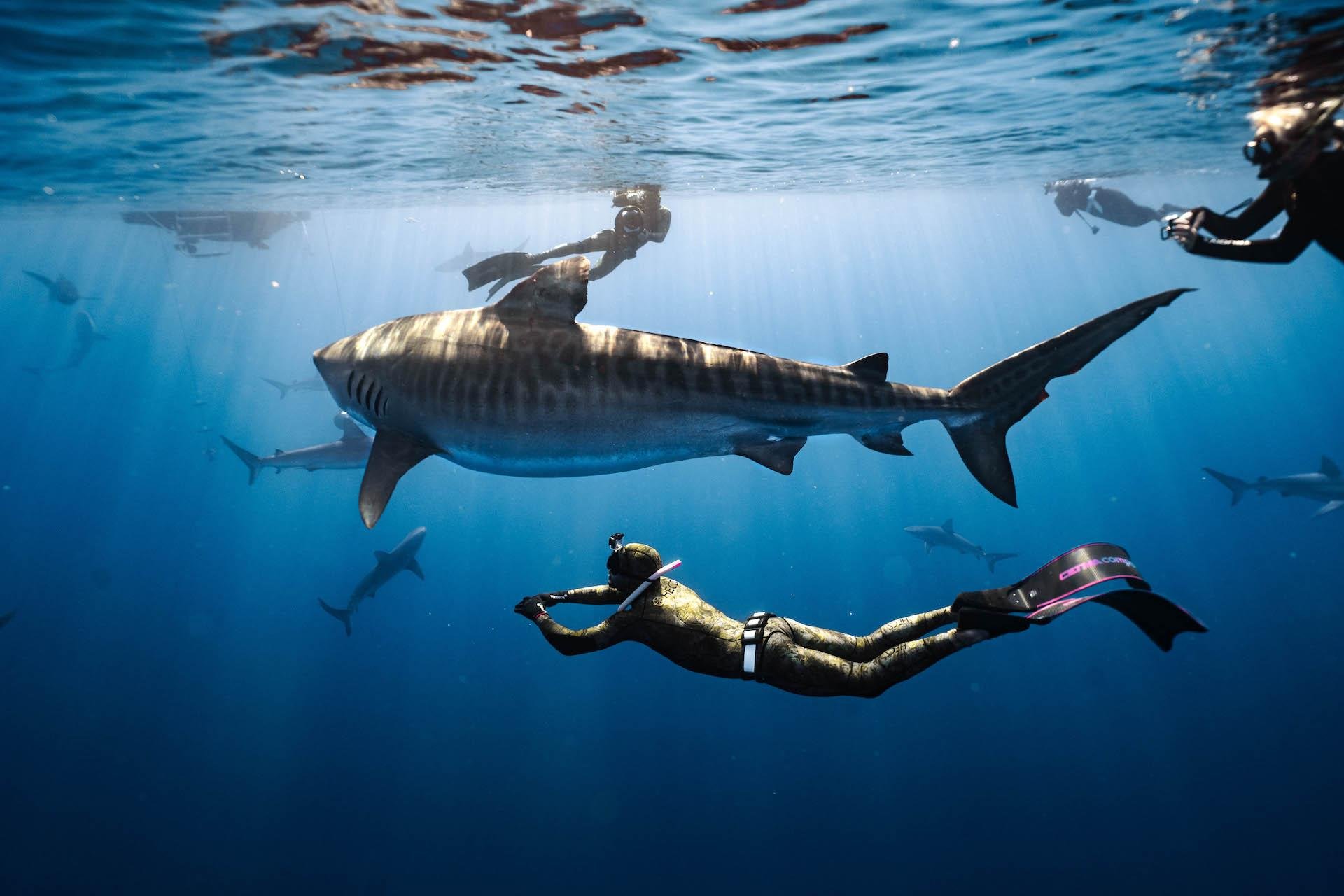
Snorkel freely alongside sharks, turtles and marine life off Oahu's North Shore with a safety diver.
Reserve
2 hr
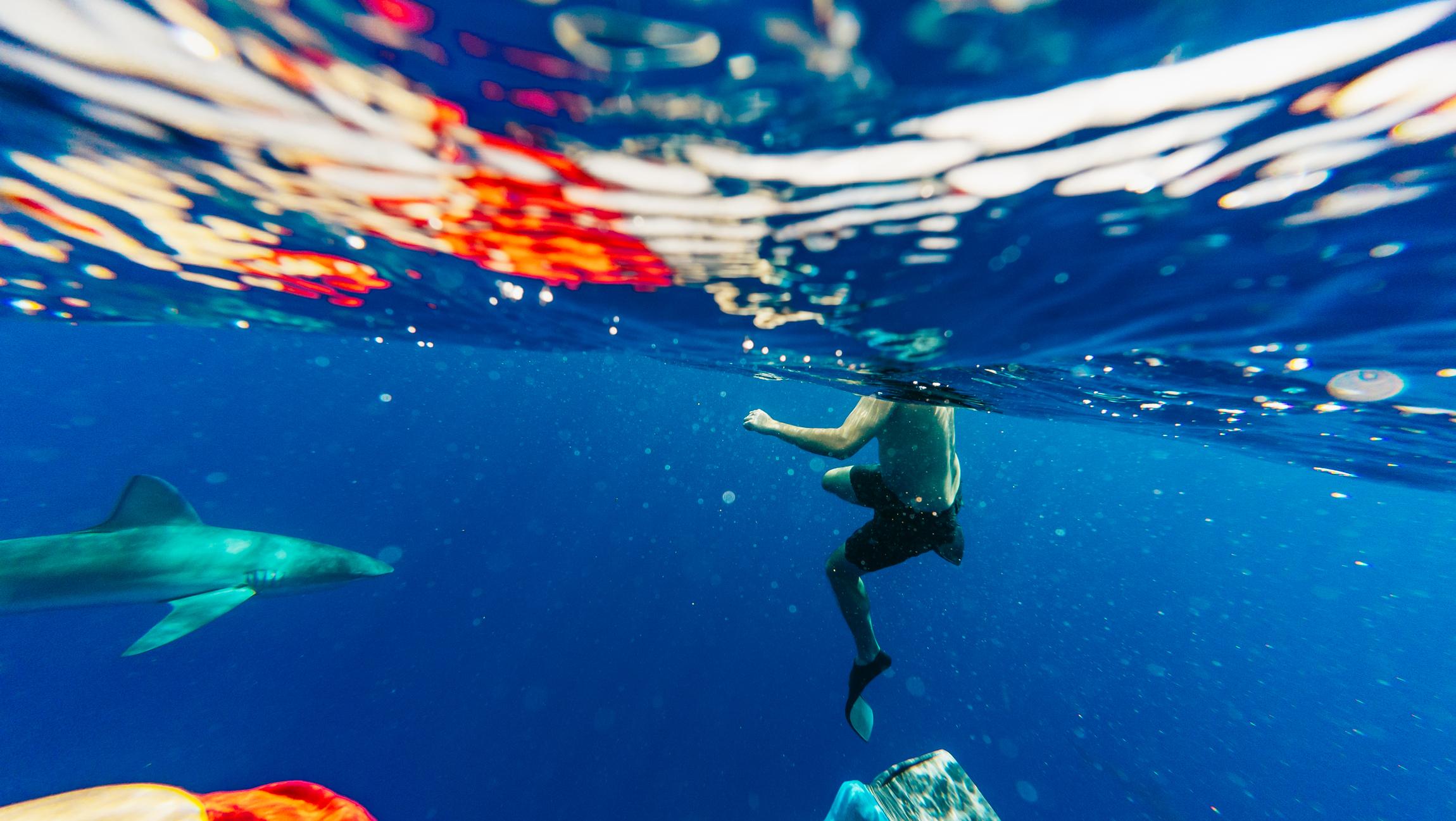
Snorkel freely with wild sharks off Oahu's North Shore, guided by trained safety divers in open water.
ReservePrices from verified partners. Availability updates in real time at checkout. Free cancellation policies apply where shown.
The landmarks, rooms, and views travelers on this tour remember — all visible on a single visit.
The harbor is the practical launch point for the shark tour and the place where the day begins. It sits in historic Haleiwa Town and has been associated with the operator’s boating activity for decades, which adds local context to the trip.
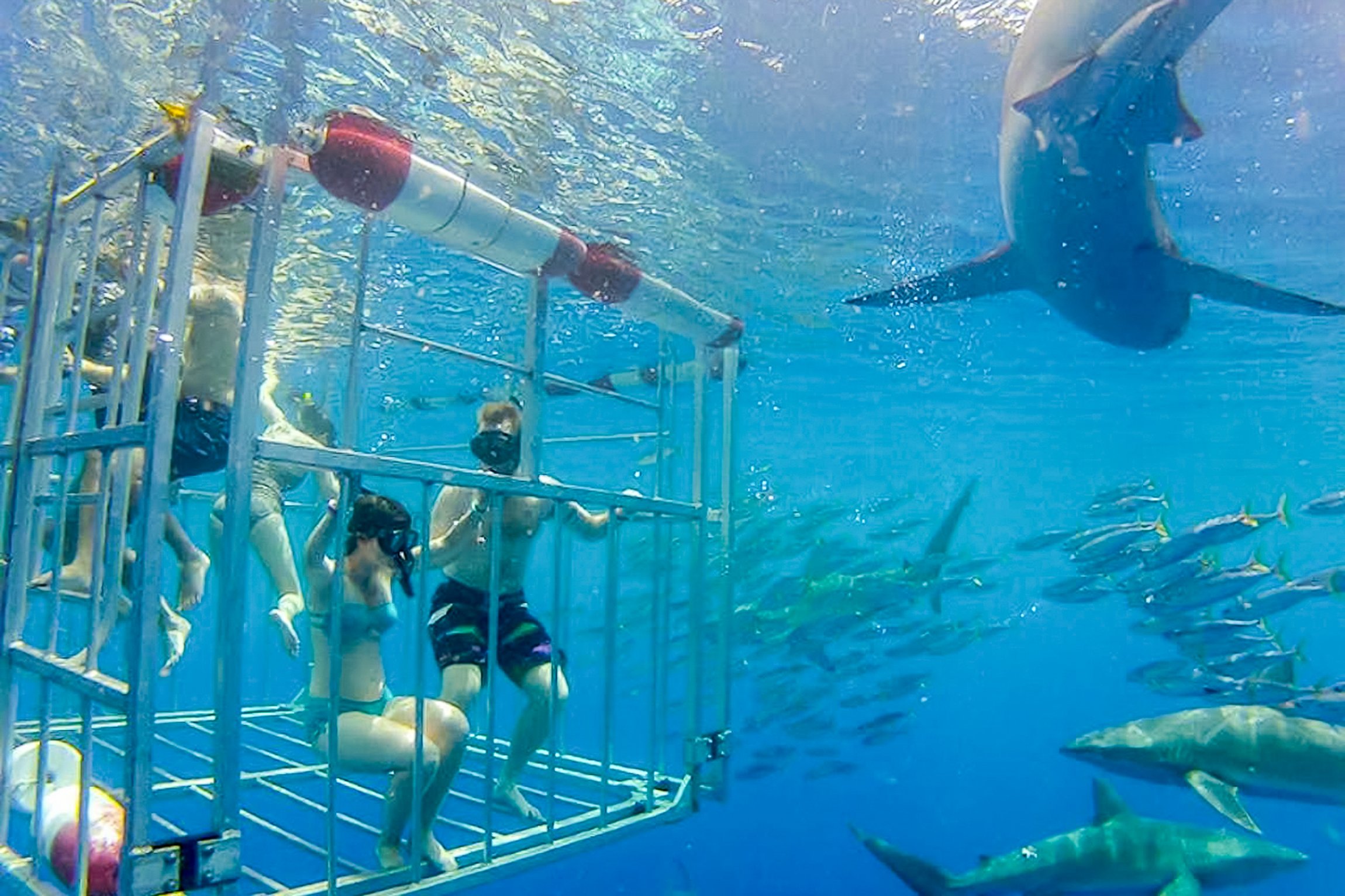
The tour’s core feature is the protected cage, which can hold up to eight people comfortably. That makes the experience workable for families and small groups who want to stay together while viewing sharks in open water.
The surrounding waters are part of the attraction because the sharks are seen in their natural habitat. The operator says sightings are guaranteed, and the dive site is about 3 miles offshore from Haleiwa.
The ride out gives a wide look at Oahu’s North Shore coastline, which is one reason the trip appeals even to non-swimmers. Morning light often improves visibility and gives cleaner color on the water and coastline.
The crew begins with a safety briefing before the boat leaves for the dive site. That short setup matters because it prepares guests for cage entry, gear use, and the timing of each turn inside the cage.
They complement each other, but most visitors who compare oahu shark cage dive on the north shore with the cageless shark swim say the cage dive feels more secure while the cage-free option feels more exposed. If you want the least barrier between you and the sharks, the open-water swim is the bolder choice; if you want a steadier, drier-feeling setup, the cage wins.
| Feature | Top pick Oahu shark cage dive | Cage-Free Shark Swim |
|---|---|---|
What you approach |
Sharks from inside a cage | Sharks in open water |
How you get there |
Boat trip offshore | Boat trip offshore |
How wet you get |
Mostly splash-level wet | Fully wet, snorkel swim |
Duration |
About 2 hours | About 2 hours |
Comfort level |
Higher; cage adds security | Lower; open-water exposure |
Who it suits |
Nervous first-timers | Confident swimmers |
| See tickets → |
Verdict: For most travelers choosing between the two, the cage dive is the safer-feeling, easier introduction, while the cage-free swim suits guests who want the most direct shark encounter.
Choose your ticket, select your date, and reserve in under two minutes. Secure checkout handled by our verified partner.
Instant confirmation by email, with a mobile voucher you can save offline. No printing, no queuing at a collection desk.
Arrive at the entrance, show your voucher on your phone, and walk in. Most tickets include priority or skip-the-line access.
Practical details for your visit straight from our verified partners — hours, access, rules, and how to get there.
66-105 Haleiwa Rd, Haleiwa, HI 96712
Primary boarding point for the shark tour.
From Waikiki, take H-1 West, then H-2 North, Exit 8 to Hwy 80, continue through Wahiawa, then follow Hwy 99 and Kamehameha Hwy into Haleiwa. Turn onto Haleiwa Rd and enter the harbor by the ocean-facing sign.
The operator’s FAQ says to go to any bus stop and ask the next bus driver how to get to Haleiwa Boat Harbor. That means routing can vary by line and transfer, so expect a slower, more flexible trip than driving.
A taxi or rideshare from Waikiki can be simpler than parking, especially if you plan to stay in Haleiwa after the tour. The operator also offers its own Waikiki pickup on selected tour times.
Wear quick-drying clothes and plan for spray on the boat ride out. A light layer helps with the early departure from Haleiwa Boat Harbor, where the morning can feel cooler before the sun strengthens.
Bring only a small, manageable bag; space on the boat is limited and you board at the harbor. The operator provides masks and snorkels, so you do not need to pack extra dive gear unless you prefer your own.
Cameras and waterproof action gear are practical on this oahu shark cage dive on the north shore, but use a secure strap. Expect wet decks and salt spray, so keep electronics in a sealed pouch until you are aboard.
This oahu shark cage dive on the north shore is boat-based and does not require swimming. The official tour page says the experience is all ages and the cage can hold up to eight people comfortably.
Families often book this oahu shark cage dive on the north shore because the cage fits up to eight people and no swimming is required. The operator also lists children and infants in its booking flow, so family groups can travel together more easily.
Do not rely on full meal service on board. Eat before you leave or plan to grab food in Haleiwa after the tour, since the harbor visit is centered on boarding, briefing, and the boat trip.
This oahu shark cage dive on the north shore runs from Haleiwa Boat Harbor and goes about 3 miles offshore. The operator says sharks are seen in their natural habitat, and the cage-based format means you stay in the water only within the protected enclosure.
66-105 Haleiwa Rd, Haleiwa, HI 96712
Primary boarding point for the shark tour.
Get directionsBest time to go, insider tips, nearby landmarks, and the cancellation fine print — flip through to skim what matters to you.
How crowds, weather, and events shift across the year.
March through May often brings steadier conditions than winter swells, and whale activity can still overlap the season early on. For an oahu shark cage dive on the north shore, this is a good shoulder period for combining the boat trip with Haleiwa time.
June through August usually gives lighter morning winds and warm air, which helps the early departures feel smoother. The best arrival window remains 06:30–08:00 for calmer seas and better wildlife viewing.
September and October tend to be busy with visitors but can still offer comfortable water and clear North Shore light. Book the earliest departures if you want the most relaxed conditions for an oahu shark cage dive on the north shore.
November through February can bring larger North Shore swells, which may affect sea conditions around the harbor. It is still a strong season for marine life in Hawaiian waters, but morning departures are especially useful.
Late July and early August
Small details that turn a good visit into a great one.
The official best arrival window is 06:30–08:00, which matches the calmest morning sea conditions. Build in a buffer for harbor parking and check-in before the boat leaves.
The operator recommends early morning because winds are typically lighter then. Later departures can be more exposed to stronger wind shifts on the North Shore.
Masks and snorkels are supplied on the tour, so you can travel lighter. Bring your own only if you have a preferred fit, and do not pack fins since the operator says they are not necessary.
The company notes you can spend time in historic Haleiwa Town before or after the shark trip. That makes food trucks, shops, and nearby beaches easy to add to the same outing.
The boat goes about 3 miles offshore, so the ride can feel different from a harbor cruise. A light jacket and motion-sickness planning are smart on an oahu shark cage dive on the north shore.
If you do not want to drive, the operator offers a Waikiki pickup service on selected times. It adds convenience, but the transportation fee is separate from the tour price.
Non-bookable sights within a short walk — free to visit, easy to pair.
A classic North Shore shoreline stop with surf-viewing potential and easy beach access. It pairs well with an early shark tour because it is close to the harbor and simple to add before lunch.
This is the nearby town center with shops, food trucks, and local character. The operator highlights time here before or after the tour, making it a useful add-on to the shark cage visit.
A famous North Shore surf spot with a broad bay and seasonal big-wave reputation. It is one of the best-known coastal stops to combine with a Haleiwa-based outing.
A smaller coastal park near Haleiwa that works well for a quick shoreline pause. It is easy to fit in when you finish the tour early and want a short, low-effort beach stop.
A signature North Shore beach with a long shoreline and seasonal surf spectacle. It is farther down the coast but still close enough for a same-day loop after the shark tour.
Flexible, no hidden fees.
The tour grid price starts from $90 per person. The operator says transportation is non-refundable if a shark tour is canceled on the day of travel, so check conditions before you depart.
Hand-picked options within walking distance — pick a district for vibe, or a specific hotel for convenience.
Staying in town removes the need to rush back after the tour. It also keeps you close to food, shops, and the harbor.
A quieter base just west of Haleiwa with a more local feel. It works well if you want to stay near the North Shore without being in the busiest part of town.
A broad stay area that covers beaches and small-town lodging along the coast. It is practical for visitors who plan to add other North Shore stops on the same day.
Best for visitors who prefer more hotel inventory and city dining. It is the easiest place to combine with a prearranged shuttle or operator pickup.
The sharks off Haleiwa were not summoned by tourism. They were summoned by crab boats. For decades, commercial crabbing vessels working the shelf three miles north of Haleiwa Boat Harbor hauled traps and discarded scraps over the rail. Galapagos and sandbar sharks learned the sound of a diesel engine idling over deep water and followed it. When the crab fishery contracted, the sharks kept their appointment. The first commercial cage operations launched from this harbor in the early 2000s, working the same coordinates the crabbers had worked, and an oahu shark cage dive on the north shore became one of the few wildlife encounters in Hawaii built on an animal's own habit rather than on bait dropped cold into empty water. The geography does the rest. The seafloor here drops steadily from the reef edge into open Pacific, and boats anchor in roughly 400 feet of water, far outside the surf zone that makes Waimea Bay and Banzai Pipeline famous each winter. Sandbar sharks, the resident species, average six to eight feet and rarely leave the shelf. Galapagos sharks run larger and arrive in the warmer months. Hammerheads pass through in spring. Visibility on a calm summer morning can exceed 100 feet, which is why the operators here favour the 06:30–08:00 arrival window, when the trades have not yet risen and the surface stays glassy. The practice remains contested. Hawaiian tradition holds manō as ʻaumakua — ancestral guardians rather than attractions — and a 2019 state law banned the intentional feeding of sharks in nearshore waters, pushing operations further offshore and ending chumming as a draw. What survives is a stricter, quieter version of the trade: no feeding, fixed depths, limited group sizes, and a licensing regime enforced by the Department of Land and Natural Resources. Several North Shore operators now contribute sighting logs and dorsal-fin identification photographs to university researchers tracking individual animals across seasons. That scientific afterlife is the strongest argument for the industry's existence. The same population that once trailed crab boats is now among the best-documented shark aggregations in the central Pacific, catalogued largely by boats carrying paying passengers. Cage and cageless formats coexist here, and comparing oahu shark cage dive on the north shore tours against surface-snorkel alternatives is chiefly a question of how much water a visitor wants between themselves and an animal that was here first. Haleiwa's harbor, a working port of shrimp trucks and fuel docks, remains the unglamorous doorway to all of it.
"The sharks kept the appointment long after the crab boats stopped coming."
A step-by-step walkthrough of the visit — what you'll see, how long each stage takes, and the details that matter.
You park at Haleiwa Boat Harbor, 66-105 Haleiwa Rd, before the sun clears the Koʻolau ridge, and you check in at the dock in the 06:30–08:00 window the crews recommend for calmer seas. Harbor operations start at 06:00. You sign the waiver, stow your dry bag, and take a bench on the open transom as the boat clears the channel markers. The run offshore takes about twenty minutes. You watch Kaena Point slide left and the reef line disappear beneath you. When the engine drops to idle, the crew hangs the cage off the stern and briefs you on the ladder: one hand on the rail, feet first, no sudden entries. You pull on a mask, step down, and the water closes at chest height. Then you look through the bars. Sandbar sharks circle at ten or fifteen feet, unhurried, their shadows crossing the sand-coloured light below. You count four, then seven. You surface, breathe, drop your face again. Rotations run roughly twenty minutes per group, and the crew calls you up by name. Back aboard, you towel off and watch the last swimmers descend while Haleiwa's coastline reassembles on the horizon. Your oahu shark cage dive on the north shore tour ends at the same dock it began, salt-stiff and quiet, before most of the island has finished breakfast.
The official opening hours are Monday through Sunday, 06:00–16:00. The best arrival window is 06:30–08:00, which the operator says gives calmer seas and better wildlife viewing. Tickets start from $90 per person. The operator’s booking page also lists special kamaʻaina, military, child, and infant options, but the base public price is $90. The meeting point is Haleiwa Boat Harbor, 66-105 Haleiwa Rd, Haleiwa, HI 96712. That is the harbor where North Shore Shark Adventures boards for the trip. Arrive during the 06:30–08:00 window if you want the smoothest start. That still gives you time to check in after opening and avoids the pre-opening rush. Small bags are the safest choice because you board a boat at the harbor and space is limited. Cameras and phones are fine if they are secured against spray, and the operator provides masks and snorkels for the cage portion. Yes. The official site says the tour is for all ages, and the cage can hold up to eight people comfortably. Because no swimming is required, families can stay together more easily. Wear quick-drying clothing, bring a light jacket, and expect salt spray on the boat ride out. The tour begins in the morning, so a layer is useful even on warm North Shore days. The operator’s published materials focus on the boat experience rather than meal service, so it is smarter to eat before you go or plan to eat in Haleiwa afterward. Historic Haleiwa Town is nearby if you want a post-tour snack or lunch. From Waikiki, the operator describes a driving route that uses H-1 West, H-2 North, Exit 8 to Hwy 80, then Hwy 99 and Kamehameha Hwy into Haleiwa. It also offers a Waikiki pickup service on selected tour times for an added fee. The company says transportation is not refundable if a shark tour is canceled on the day of the tour. That means you should review weather and timing carefully before paying the separate transfer fee. Historic Haleiwa Town is the easiest add-on, and the operator also points to nearby beaches after the trip. If you have extra time, Haleiwa-area shoreline stops fit naturally with an oahu shark cage dive on the north shore.
Please contact us for more information.